Google Ads vs Meta Ads for real estate: which one should you use?
How Google Search and Meta (Facebook and Instagram) ads differ for property marketing, when each one wins, and how to use them together.

Short answer
Use Meta Ads to create demand: they put a project in front of likely buyers who weren't searching yet, and they bring leads at volume. Use Google Search Ads to capture demand: they reach people already searching for an area, a developer or a project, and those leads usually show stronger intent. Most property marketers get the best results from both, with each judged by cost per qualified lead.
Property marketers ask this question at the start of almost every launch. The honest answer is that Google and Meta do different jobs, and the right mix depends on how well known your project already is. This guide compares them side by side and gives a practical way to split the work.
What is the main difference between Google Ads and Meta Ads?
The difference is intent. On Google Search, the person typed what they want: "3 bedroom apartment with garden for sale" or a project's name. On Facebook and Instagram, the person was scrolling, and your ad interrupted them with something they might want.
| Google Search Ads | Meta Ads (Facebook and Instagram) | |
|---|---|---|
| Buyer's state | Actively searching | Browsing, not yet looking |
| Job in the funnel | Capture existing demand | Create new demand |
| Main format | Text ads on search results | Video, images and carousels in feeds, Stories and Reels |
| Targeting | Keywords and locations | Locations and audiences, led by the creative |
| Lead volume | Limited by how many people search | Can scale with budget |
| Lead intent | Usually higher | Usually more mixed |
| Typical lead path | Landing page form, call or WhatsApp | Instant form or WhatsApp chat |
| Creative effort | Text, quick to produce | Video and images, more work |
When does Meta win for real estate?
- Launching a new project that nobody is searching for yet.
- Visual products: views, interiors, lifestyle and amenities sell better on video than in text.
- Volume goals: a launch event or sales campaign that needs many leads quickly.
- Reaching buyers abroad who follow the market loosely but don't search for specific projects.
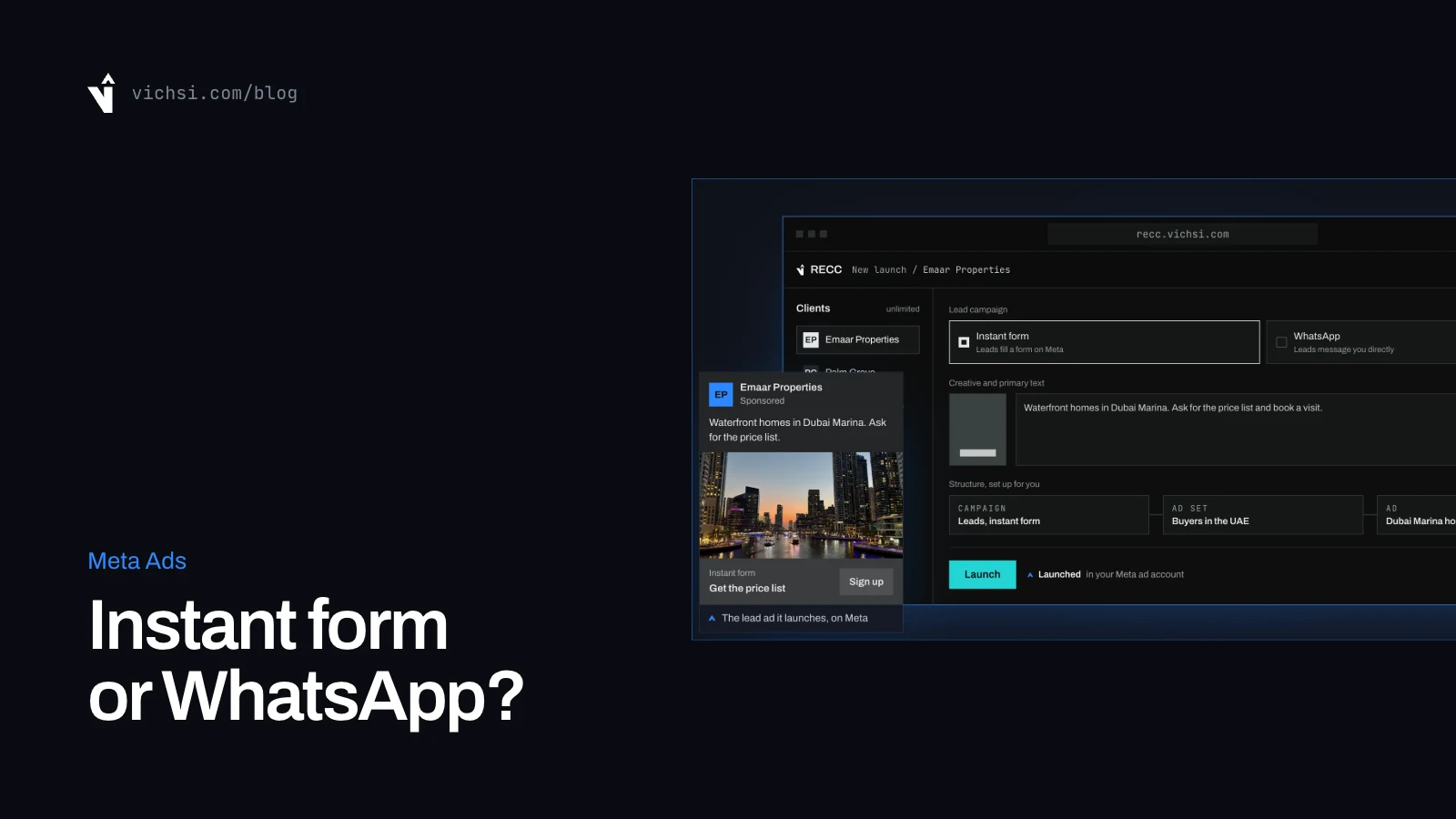
Meta's instant forms and click-to-WhatsApp ads also remove the need for a landing page. See real estate lead ads on Meta for the full setup.
When does Google win for real estate?
- Known developers and areas: people search for them by name.
- Late-stage buyers: searches like "apartments for sale in [area]" or "[project] prices" come from people close to a decision.
- Brand protection: when your project gets attention, competitors bid on its name. Your own brand campaign keeps those searches yours.
- Steady, lower-volume demand between launches.
Search volume is the limit: you can't buy more searches than people make. When the volume is there, the leads are often the most qualified you will get. For building the campaign, see how to structure a Google Search campaign.
How do you use Google and Meta together?
The strongest setups use each platform for its job and let them feed each other:
- Meta builds awareness of the project with video, and collects leads at volume.
- Awareness creates searches. People who saw the project on Instagram later search for its name.
- Google captures those searches with a brand campaign, plus area and category campaigns.
- Both are judged on the same scale: cost per qualified lead, and eventually cost per sale.
A simple way to start: put most of a new project's budget on Meta, run a small Google brand and area campaign from day one, and move budget toward whichever brings cheaper qualified leads after the first weeks.
Do housing ad rules apply on both platforms?
Yes, in some countries. Both Meta and Google have special rules for housing ads in markets such as the United States and Canada, which remove or limit targeting by age, gender and narrow location. Meta asks you to declare a Housing special ad category; Google applies its own housing policy. The details differ by country and change over time, so check both platforms' current policies before you launch in a new market.
Which platform is cheaper for real estate leads?
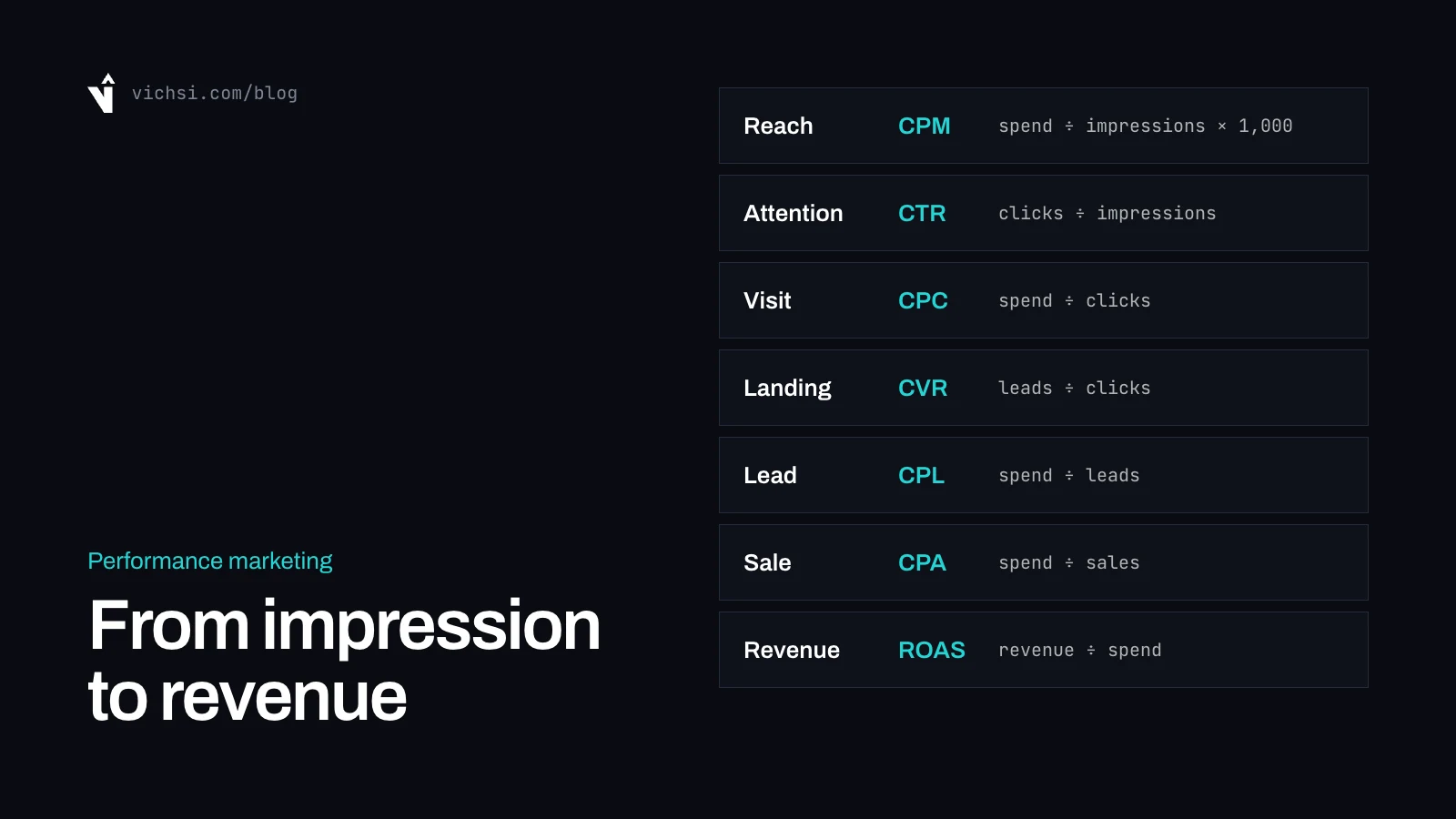
It depends on the market, the project and the season, so there is no universal answer. Meta often shows a lower cost per lead, and Google often shows a higher share of qualified leads. That is why comparing cost per lead alone usually favours Meta unfairly. Compare cost per qualified lead and cost per sale over the same period; the answer is often closer than the first numbers suggest. See performance marketing metrics explained for the formulas.
Tools that make both faster
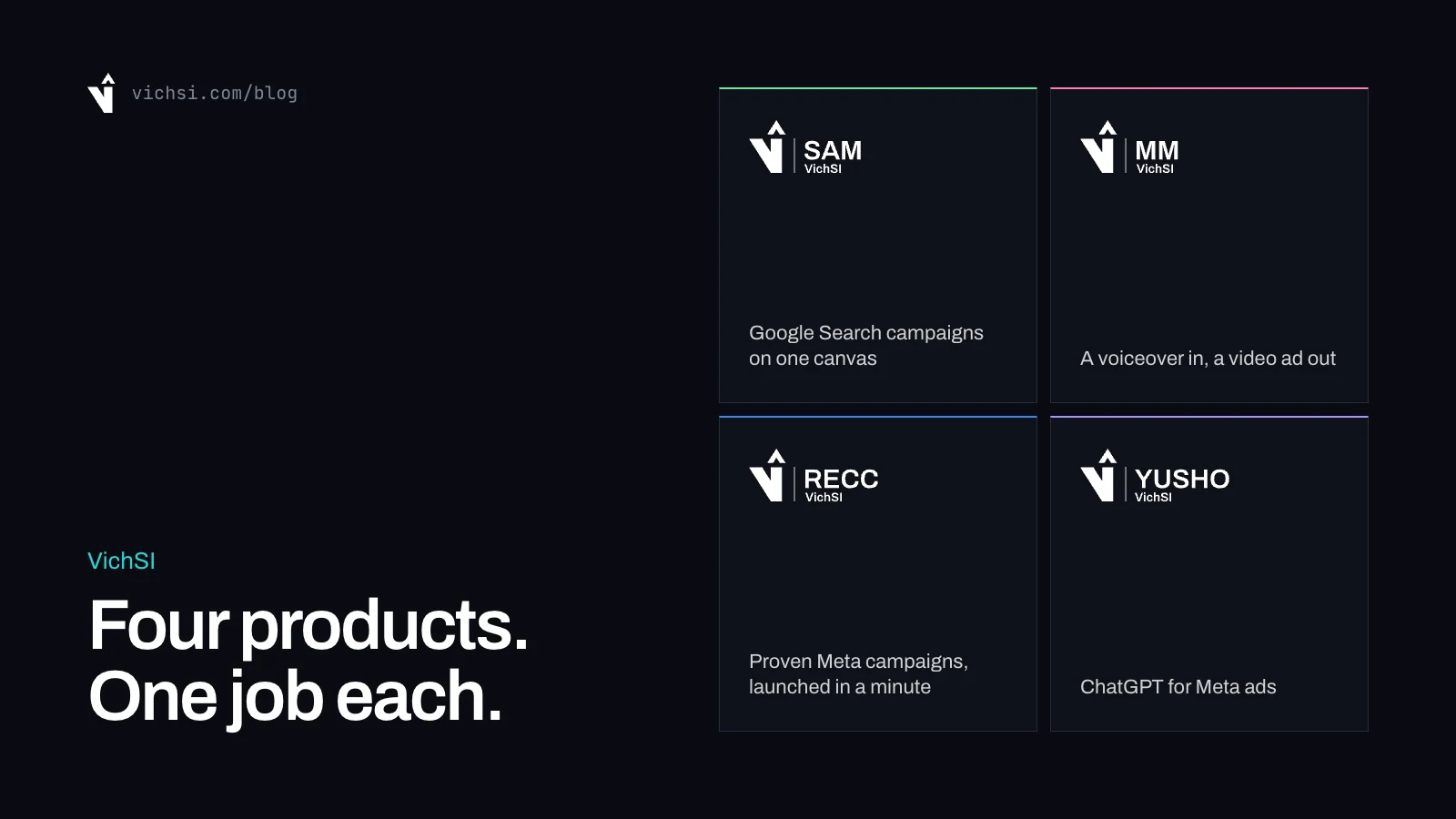
VichSI builds products for each side. On Meta, RECC launches proven instant-form and WhatsApp lead campaigns in about a minute, and Mock-Up Machine turns a voiceover into a property video ad. On Google, SAM builds Search campaigns on one visual canvas. Each one creates its work paused in your own ad account.
FAQ
Is Facebook or Google better for real estate?
Neither is better in general. Facebook and Instagram are better for creating demand for new projects and collecting leads at volume; Google Search is better for capturing buyers who are already searching. Most successful property marketers use both.
Should a new real estate agent start with Google or Meta?
Usually Meta, because a new agent or project has little search demand yet, and Meta can create it. Add a small Google campaign for your name and your main areas as soon as people start searching for them.
Why are Google real estate leads more expensive?
Search clicks for property terms are competitive, and only a limited number of people search each day. Those leads are often more qualified, so the cost per qualified lead can be similar to or better than Meta's.
Can I run real estate ads without a website?
On Meta, yes: instant forms and WhatsApp ads work without one. On Google Search, you need a landing page, although call assets let people phone you straight from the ad.